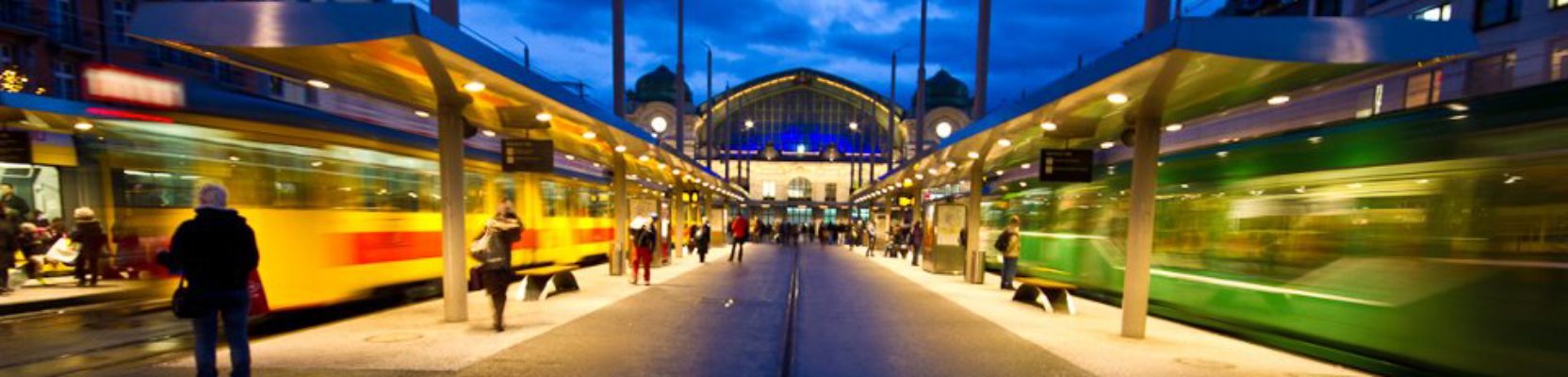
Life can be tough, even in a beautiful city like Basel. The last couple of years have certainly taken their toll on all of us…sometimes we need a little help and need to learn to ask for it. Where to ask? Gareth Maxwell, founder of www.revolutionise.ch might be able to help you. He’s written a guest post to help those struggling with feelings of depression and being overwhelmed…when Gareth offered to write a post for the site, I was truly grateful!
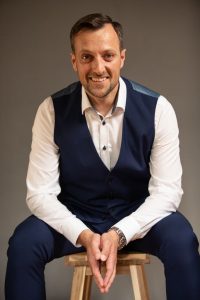
Gareth was born in the UK and is the youngest of 10 brothers and sisters. After serving 12 years in the UK Royal Air Force as an Aircraft Technician, he moved to Huningue, Alsace in 2011 to work at the airport, and then settled in Basel in 2014. He enjoys riding his motorbike, hiking and has adopted his first dog.
He was inspired to change his career to become a certified life coach during his recovery from depression when he learned how widespread the issue is. He works with men and women from different backgrounds. To learn more about Gareth’s story, you can find his website at www.revolutionise.ch You can also read testimonials from previous clients.
How are you? (I’ll ask you again at the end)
I’m Gareth Maxwell; my friends call me Gaz. I moved from Wales in the UK to Alsace in 2011 and then to Basel in 2014. Basel is a great place to live, I love it here, and I’d recommend it to anyone in a heartbeat. Like many, I moved here for work, and I didn’t find it too difficult to meet new people, find friends and get along with colleagues as I’m a fairly outgoing person.
That said, I encountered a couple significant life changing events since I moved here. Some were very positive, and others negative enough to put me in a bad place. Over an 8-year period, I found a permanent job, I was promoted, had further training & development with my employer for leadership and technical progression, and I even got married. As time went on, I realised I was struggling; I wasn’t managing too well at all.
I felt like I should have all the answers to the questions in my head and that’s where the worrying started. I began to feel less and less positive in my mind and that affected my confidence to speak up and address the problems I was having. My thought process went something like this; “I’m a man. I’m a veteran. I work in a male-dominated environment. I’m a professional leader at work. I can do this!” Self-doubt sabotaged it all…

In truth, I had no idea how to improve my situation or even how to make myself just feel better and so I just kept on going. I felt like I was going through the motions of my job, my relationships and my life without any meaning or interest, let alone real joy. My marriage suffered and even though we tried to salvage it through counselling, we separated and eventually divorced.
After that, I got into a couple of relationships when I wasn’t ready, even though I told myself I was. What followed felt like a catastrophe of self-doubt, guilt, shame and darkness. I fell into a depression where I questioned my very existence. I seriously considered ending my life. Quite the rollercoaster, let me tell you.
So why am I sharing this? Why do I feel it’s important to tell my story here? It’s because I want you to know that if you’re feeling these things, you’re not alone…No matter where we live in the world, life happens. It has a way of challenging you when you least expect it, and these events can really challenge you in a way that you’d be forgiven for feeling lost. That was how I felt…lost and weak!
There are many reasons why I didn’t seek help sooner; as a man I was scared of being perceived as weak or incapable, of being judged by my friends and co-workers. I felt embarrassed and overwhelmed with shame and guilt. I had these feelings and I didn’t want to burden anyone else with these as the darkness grew inside me. I would tell myself “I’ve got this”, or “It’s just a phase and it’ll pass”. Some days I almost believed it…
Many people don’t know when it’s time to seek help to deal with these emotional issues. They paint a smile on their face and fake their way through the day, all the while feeling like impostors in their own lives. This is where a support network is needed, to help people to work through these issues in an honest and healthy way.
What is a support network you ask? A support network is a group of people or services that provide emotional and practical help to someone in serious difficulty:
- Family
- Friends you can trust
- Colleagues
- Community – Being around people with similar interests
- Neighbours
- Social Media
- Seek sources of support and advice
- Healthcare Professional- Your doctor, self-referral to a therapist, counsellor, or psychiatrist.
A survey conducted in 2018 by Aetna found that a support network was something which Expats considered most important.
It’s not enough to have a support network in place. We need to feel comfortable to reach out to the members of that network and ask for help! Even in our home country settings, we’re often reluctant to ask for help. But what about when you’re isolated from key parts of your support network? What does your support network look like for you, as an expat? Are your expat friends people who you could trust to be open with if you had an issue? What about your spouse, or children who are accompanying you? How is the situation affecting them? As expats, another layer can be added to life’s challenges and the stresses associated with them. It can be difficult to find support from people who don’t speak our language when things go wrong or we’re experiencing some challenges. If these issues are left unchecked, they could develop into something much more significant like depression or burnout.
Even before the CoVid-19 pandemic, it was reported in an article by the Mental Health Foundation, that 1 in 6.8 employees were suffering with stress, anxiety, or depression in the UK alone. That’s almost 15% of employees! It was also reported that full-time employed women are almost twice as likely to have a common mental health condition as full-time employed men (19.8% vs 10.9%). Considering that these statistics are based on reported cases…this probably just the ‘tip of the iceberg’. In 2019, I became one of those statistics myself.
Now take people away from their established support networks in their home countries, add the effects of the pandemic. The additional distance from loved ones, which I know is difficult, the pressure to jump into a new life and make things work can be overwhelming. While these huge life transitions are full of opportunity and can be a positive experience for ourselves, our families and friends at home might well assume that everything is going to be just perfect. They don’t understand the enormous upheaval that can come with expat life. It’s no wonder that people can, and have struggled in recent months, even more than ever before.
Living in a foreign country presented obstacles relating to my support network, which I had never considered. For example, getting to know my neighbours was difficult as I did not know enough German to get by. I didn’t need to learn it for my work, as it was all done using English, so I never felt a strong drive to take language classes.
Expat communities are, by their very nature, transient. People come and go. When that happens, we might be reluctant to form deep, meaningful, and trusting friendships or relationships. I learned the importance of a solid support network during these dark times. I was fortunate that my employer offered an Employee Assistance Programme as a source of support. In case you’re not aware, Employee Assistance Programmes are offered by many companies to support their employees resolve personal issues which can affect productivity and effectiveness.
Stressful challenges come up in life and when they do, our support network is something which plays a significant role in getting us through to a positive outcome…if you’re willing to use it. So what happens when you don’t have close friends to talk to?
That’s where I come in. Once I recovered from my depression (yes, that’s possible for a lot of people), I was inspired to help people avoid it. I became a certified life coach in hopes of having the same positive impact on others that my life coach had on me (in parallel to therapy). My life coach helped me adjust the way I viewed myself, my life, and the way I make choices and decisions. Together, my life coach and I worked on my mental fitness, which greatly helped me through my depression.
The bottom line is that our mental fitness defines how we think, feel and act in life and like going to the gym to get physically fitter, we can do the same with our mental fitness. In fact, we must change the way we see mental health and become more proactive about it. In doing so, we can give ourselves a buffer, a margin of flex to help us deal with what life’ challenges like stress, anxiety and overwhelm.
I help people with challenges around stress, anxiety and overwhelm to feel healthy, energised, and confident again. We all know that prevention is better than cure, but how many of us really do what they know and are proactive about fostering, maintaining, or improving our mental fitness? Knowledge is nothing without action. Is it time you took action and regained control?
I’m native English speaker and I’m here to support you. No judgement, no stigma, no shame, just a safe space for you to be honest about where you are in it all, and for us to work together to find your way again and whatever that looks like for you.
My clients trust me because I’ve ‘been through the mill’ myself. I appreciate what it means to feel like you have no-one to turn to because of those fears I mentioned above. It’s ok not to be ok, but you don’t have to stay there.
So what do people’s issues look like when they approach me?
- Trouble sleeping (falling asleep, staying asleep, waking up rested).
- Having trouble focussing, brain fog.
- Overwhelmed.
- Anxious.
- Lack of energy or willingness to see friends or to be around colleagues.
- Strained relationships at home or at work.
- They’re irritable and experiencing mood swings.
- Finding it difficult to get through the day without nicotine, caffeine, sugar, alcohol or other quick fixes to help distract themselves.
- Feeling lost.
- Feeling like the weight of the world is on their shoulders.
- They’re not doing things which they used to enjoy anymore.
- Concerned about returning to work and reintegrating as CoVid pandemic restrictions lift.
- Difficulty in home office and can’t switch on/off to their workday or homelife.
Is any of this familiar in you, or someone you know?
Look, the first step is always the most difficult but remember, every journey starts with a first step and like it did for me, it could save your life. So, how are you? How are you really?
Get in touch today and book your free consultation with me using this link.
Stay well, stay mindful. Gareth.


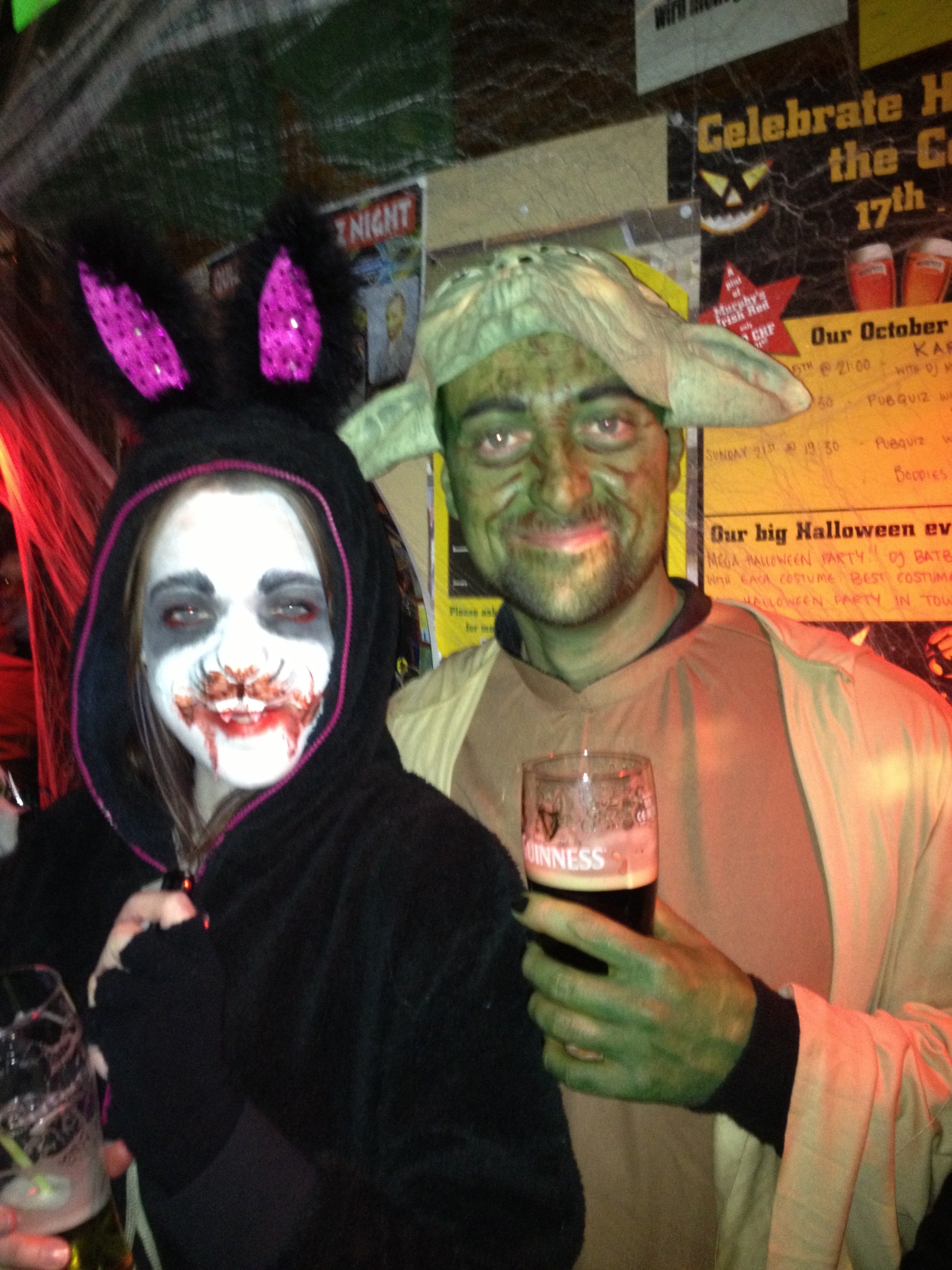

 that turn your blue eyes green, but demon-red, zombie-white or all black… you don’t need to wear contacts normally or have corrective lenses to get a pair of contacts. You can get ones that change the color of your eyes, but not affect your vision at all.
  It seems that every other film that comes out these days is based on a science fiction book or movie, an old comic book or is remade from a video game or cartoon. Superhero outfits are especially easy to find, but use your memories and your imagination to take things a bit further. How about you and a few friends go as the








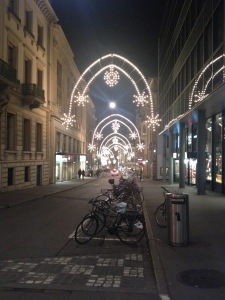 Christmas in Basel
 Christmas Trees in Basel
 There are shopping streets in Basel, as well as malls you can shop at. The main shopping street for gift is Freiestrasse, which starts at Bankverein and runs parallel to Barfusserplatz and Marktplatz. You should be able to find most of your christmas gift list there. Lots of fashion retail stores, jewelry and sporting goods stores. If you’ve got a big budget, you’ll find lots of high end stores; if you’ve got less to spend you’ll also find great bargains (but keep in mind it’s Switzerland, so great bargains is a relative term)! In addition to the numerous shops and cafes, there are often street performers, street vendors and beautiful decorations, especially if you go after dark. There are also loads of shops located on Steinenvorstadt.
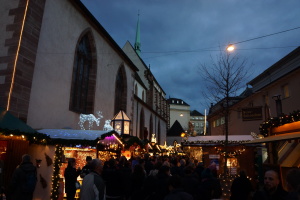 Christmas Markets


















 Stücki
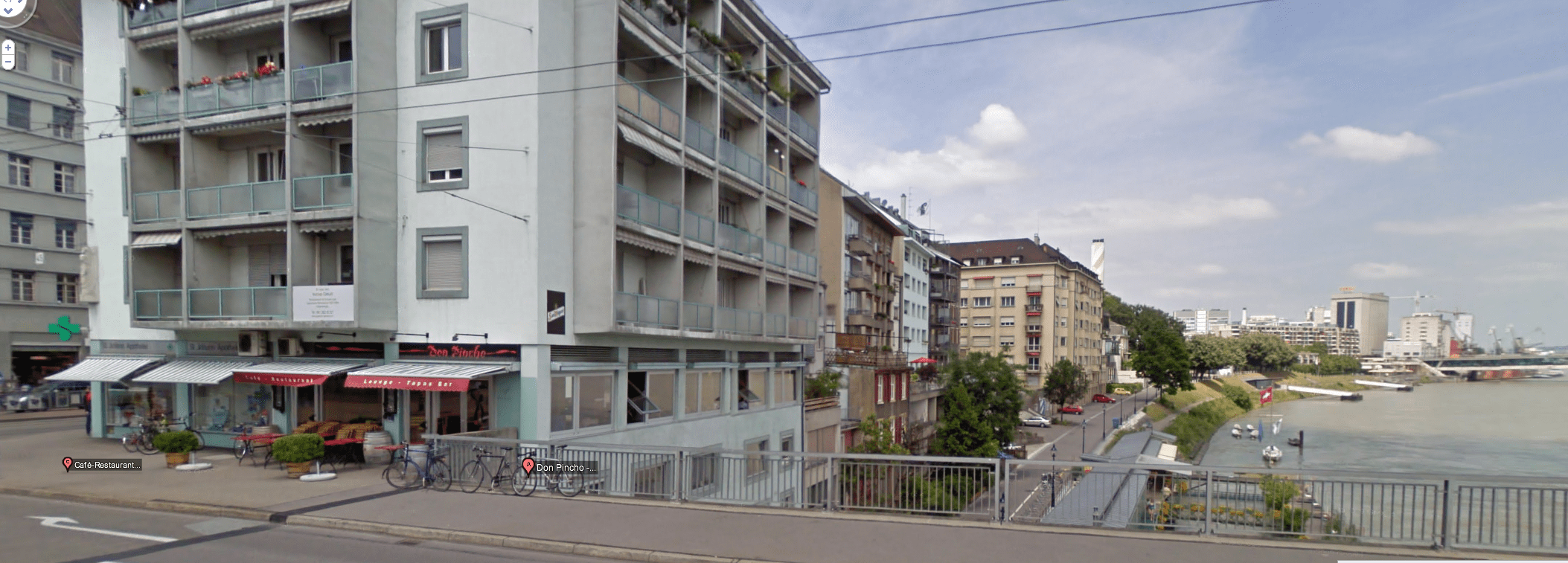
 Service: This is my second favorite thing about Don Pincho (the first is the food). The team there are amazingly polite and friendly, all the time. Switzerland is not renowned for its food service industry but Don Pincho is a sparkling exception to this. In addition to being helpful and friendly, the service is fast and efficient. They come quickly when you arrive, can discuss the menu and specials in a variety of languages (everyone I’ve been served by there speaks excellent English). They make good recommendations, depending on what season it is, and what is fresh, but won’t try to push you into trying anything. When you order, they bring you what you ordered and they do it quickly and as you request. Its easy to get all your food at once, or have your cold tapas before your hot tapas or vice versa. They are generally attentive during the meal so its quick to get drink refills or add to the order, and when you’re done they bring your check but don’t make you feel like you’re being rushed out. It’s the best service experience I’ve had at a restaurant in Basel.
 Wine/Drinks: Don Pincho has an extensive wine menu and the staff are very knowledgeable on what is good and what isn’t. They have good wines across a range of prices, and don’t make you feel any pressure to order something outside of your price range. They serve San Miguel beer on tap, and they have a decent selection of liquor/liqueurs, whiskies, port, etc. They also mix quite nice long drinks and have a good cider (Sidra).







































 Klybeck/Feldbergstrasse